Brands have more ways than ever to reach consumers, with new platforms, formats, and AI-powered tools expanding what’s possible in advertising. But as personal screens become increasingly crowded with content and messaging, capturing meaningful attention is becoming more challenging. Simply reaching audiences isn’t enough. The challenge is creating connections that feel relevant, engaging, and memorable.
At the same time, real-world experiences are gaining appeal, particularly among younger audiences seeking community and human connection. Eventbrite’s 2026 Social Study found that 74% of Gen Z respondents considered in-person experiences more important than digital ones, pointing to the growing value of connecting beyond a screen.
And these experiences aren’t just bringing people together. They’re capturing attention. McKinsey’s research on the attention economy found that 71–88% of consumers reported high levels of focus during live, in-person experiences, compared with just 57% for streaming video. The findings suggest that where and how people engage with content can matter just as much as how much time they spend with it.
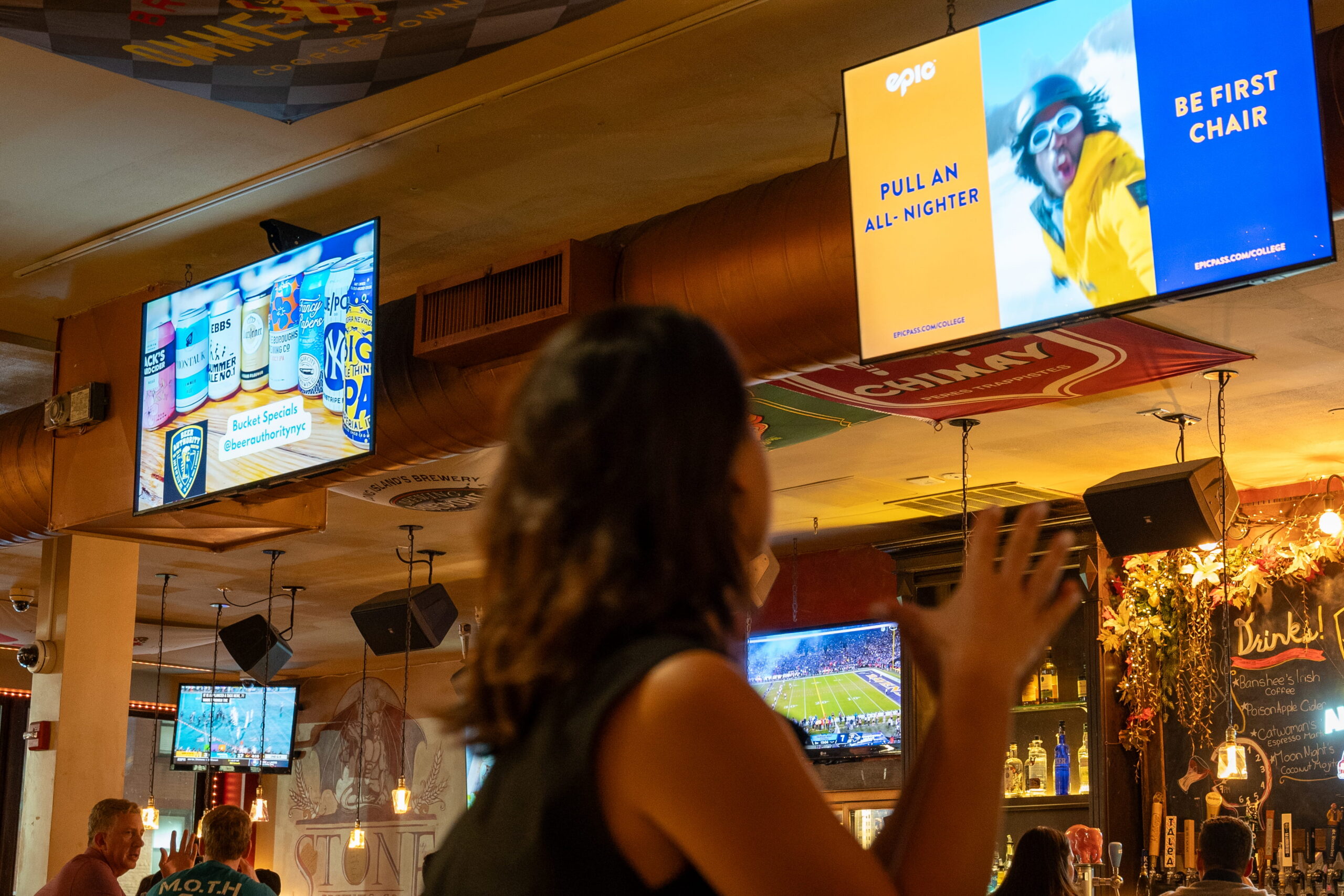
This creates an opportunity for advertising to play a greater role in the physical world. Channels like digital out-of-home (DOOH) can reach people as they move through their daily lives, combining the context and relevance of real-world environments with the flexibility and capabilities of digital media.
IRL doesn’t mean going backward
Bringing advertising into the physical world doesn’t mean leaving digital behind. With DOOH, brands can bring the flexibility, responsiveness, and data-driven capabilities of digital media into physical environments.
Programmatic buying allows advertisers to plan and activate campaigns across digital screens, selecting placements based on their goals, locations, and audience context. Dynamic creative takes that flexibility a step further, making it possible to tailor messaging to real-world conditions. For example, a campaign could feature iced coffee on a hot afternoon, promote a nearby event as it approaches, or highlight a product that’s available for same-day pickup. The setting stays physical, but the message can change with the moment.
That relevance can also give people a reason to act. Research from the OAAA and The Harris Poll shows 73% of adults aged 18–64 said they’d visit a nearby store that day if an OOH ad showed that a product was available for same-day pickup. Another 87% said they’d redeem a time-limited offer delivered through an OOH ad.
Beyond individual placements, DOOH can play an important role in omnichannel advertising strategies, complementing mobile, social, CTV, and other digital channels. A campaign might build awareness through a streaming ad, reinforce its message on screens near retail locations, and encourage action through mobile. By connecting these touchpoints, advertisers can extend their reach beyond personal devices, deliver more contextually relevant messaging, and better understand how real-world exposure contributes to broader campaign objectives.
Different real-world environments create different opportunities
Where people encounter advertising can be just as important as the message itself. According to the OAAA, 69% of adults aged 18–64 agree that OOH advertising feels more human than online or mobile advertising, while 64% say it feels more culturally relevant.
But not all physical environments offer the same opportunities. Someone browsing the aisles of a grocery store is in a different mindset than a commuter rushing to catch a train or a fan attending a live sporting event. Understanding what brings people to a particular place and what matters to them in that moment can help advertisers create more relevant and effective campaigns.
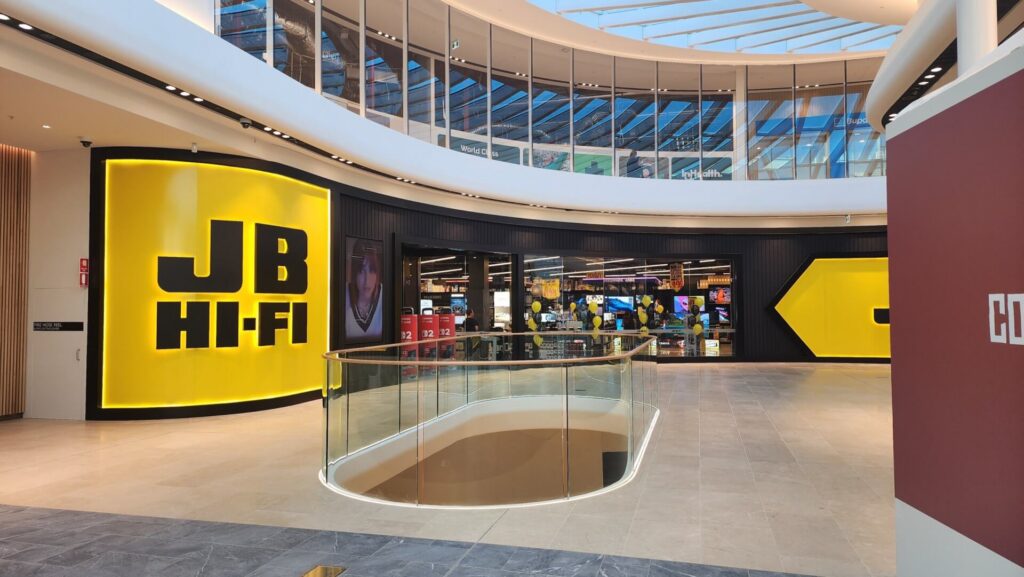
- Retail: Reach consumers closer to the point of purchase, when they’re actively browsing, comparing products, and making decisions. In-store screens can introduce products, highlight promotions, or encourage shoppers to discover complementary items, creating opportunities to influence purchasing decisions.
- Sports and live events: Connect with audiences during moments of heightened excitement and shared experience. From stadiums and arenas to surrounding entertainment districts, advertising can become part of the event atmosphere, helping brands tap into fan culture and connect with people around their shared interests.
- Transit: Build visibility through the routines and repeated journeys of daily life. Transit hubs and commuter routes offer opportunities to reach audiences consistently, while location-aware messaging can make advertising more relevant to where people are headed or what they might need along the way.
- Travel and hospitality: Reach people as they explore new destinations and decide where to go, what to do, and what to experience. Airports, hotels, and other travel environments can help brands connect with visitors who may be particularly receptive to discovering local attractions, dining options, and experiences.
What the rise of IRL means for marketers
As consumers place greater value on real-world experiences, advertisers have an opportunity to rethink how physical environments fit into their broader media strategies. It’s not about choosing between digital and physical channels, but understanding how they can work together to reach audiences in more relevant and meaningful ways.
When planning your next campaign, consider a few key questions:
- Where does your audience spend time beyond personal screens? Identify the physical environments and moments that align with your audience and campaign objectives.
- What role should each environment play? Think beyond reach to consider how audience mindset, location, and context can influence your messaging and creative approach.
- How can you connect the experience across channels? Consider how real-world placements can complement mobile, social, CTV, and other touchpoints to create a more cohesive campaign.
- What does success look like? Establish clear objectives and measurement approaches to understand how real-world advertising contributes to outcomes like awareness, engagement, foot traffic, or sales.
As advertising becomes increasingly digital, the physical world offers something valuable: opportunities to connect with people as they go about their lives, engage with their communities, and experience the world around them. The brands that make the most of these moments will be those that understand not just where their audiences are, but how to reach them in ways that genuinely resonate.