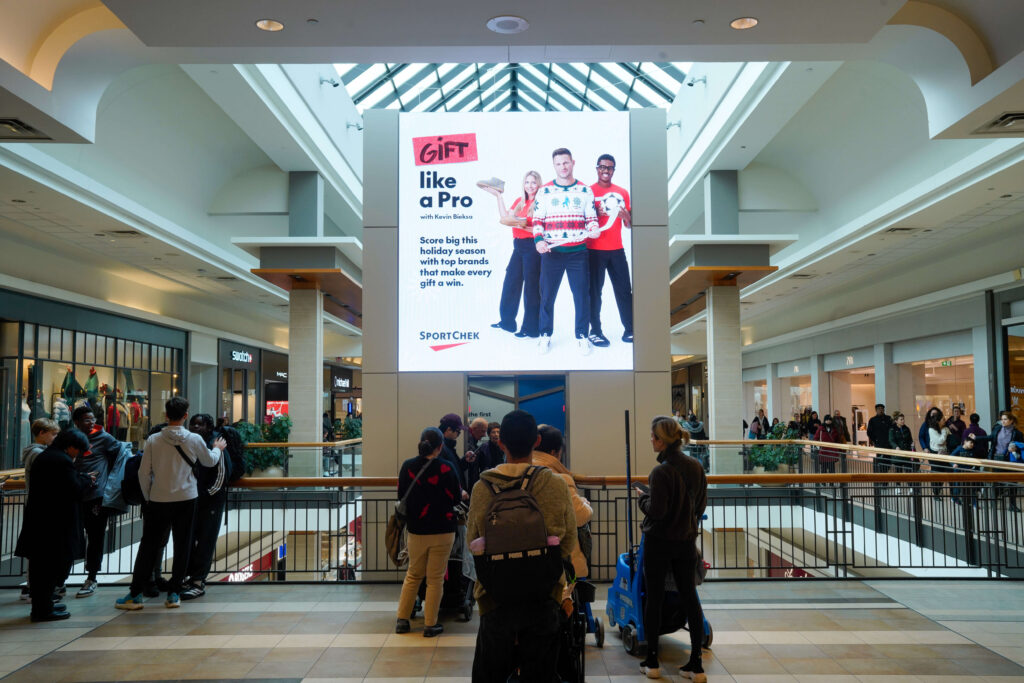
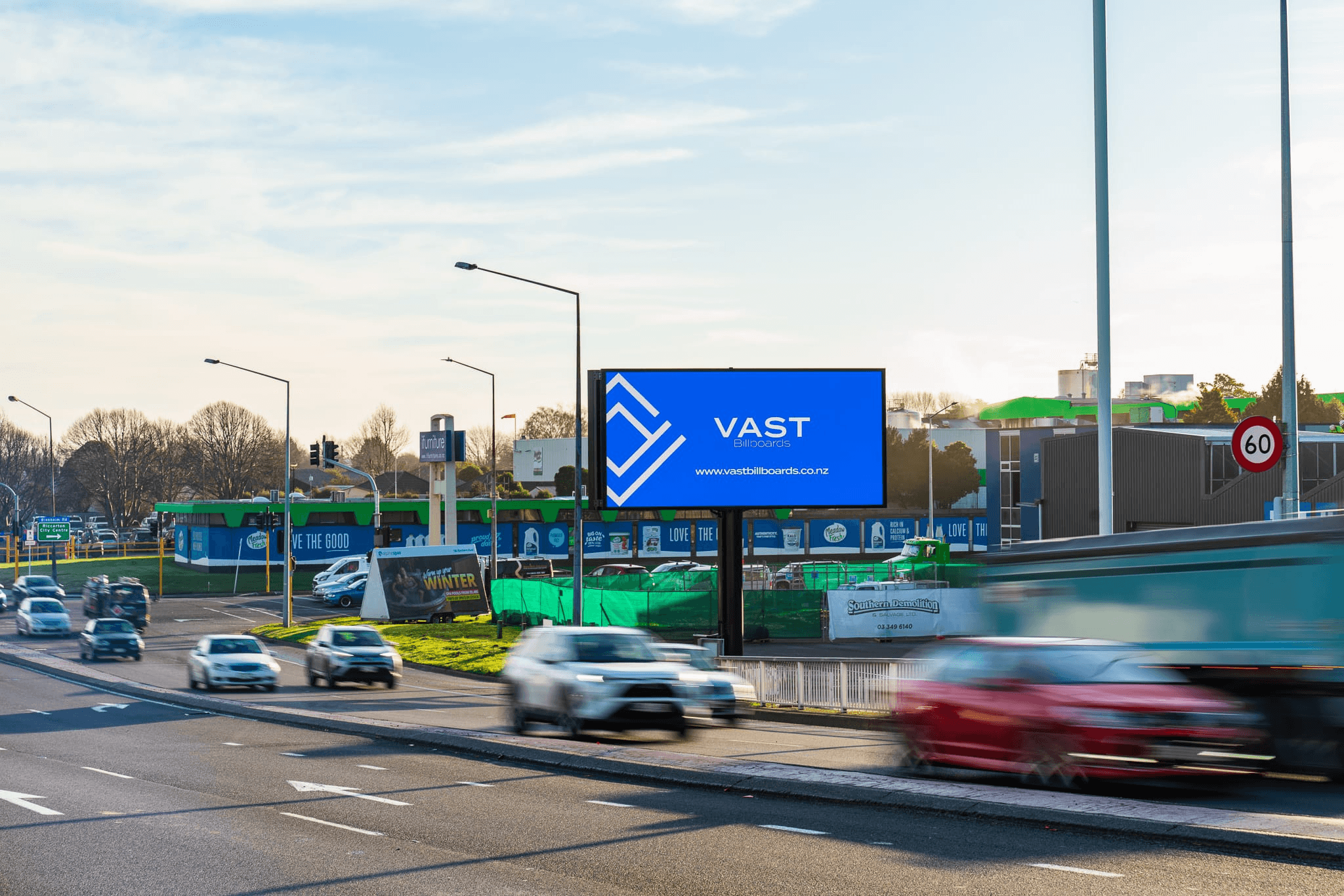
In a market long shaped by a handful of dominant players, VAST Billboards has carved out a distinct identity as New Zealand’s independent, Kiwi-owned out-of-home (OOH) network. Headquartered in Christchurch, VAST has built its growth story not by trying to out-scale the biggest networks, but by complementing the broader OOH landscape with a strong presence across regional cities, suburban corridors, and strategically important locations.
We sat down with Gary Rosewarne, Head of Growth Strategy at VAST, to talk about the company’s rapid growth, its programmatic ambitions, and why Broadsign has become a core part of how VAST runs its media operations.
A network built on purposeful growth
VAST’s strategy is built on a simple but deliberate idea: the network doesn’t need to be the whole plan — it needs to be the right complement to it. “We don’t believe VAST needs to be the whole plan,” Rosewarne explains. “In Auckland, for example, we can provide a complementary layer around established networks; in Christchurch, we have significant strength across suburban and arterial environments; and regionally, we give brands access to audiences across a growing number of markets.”
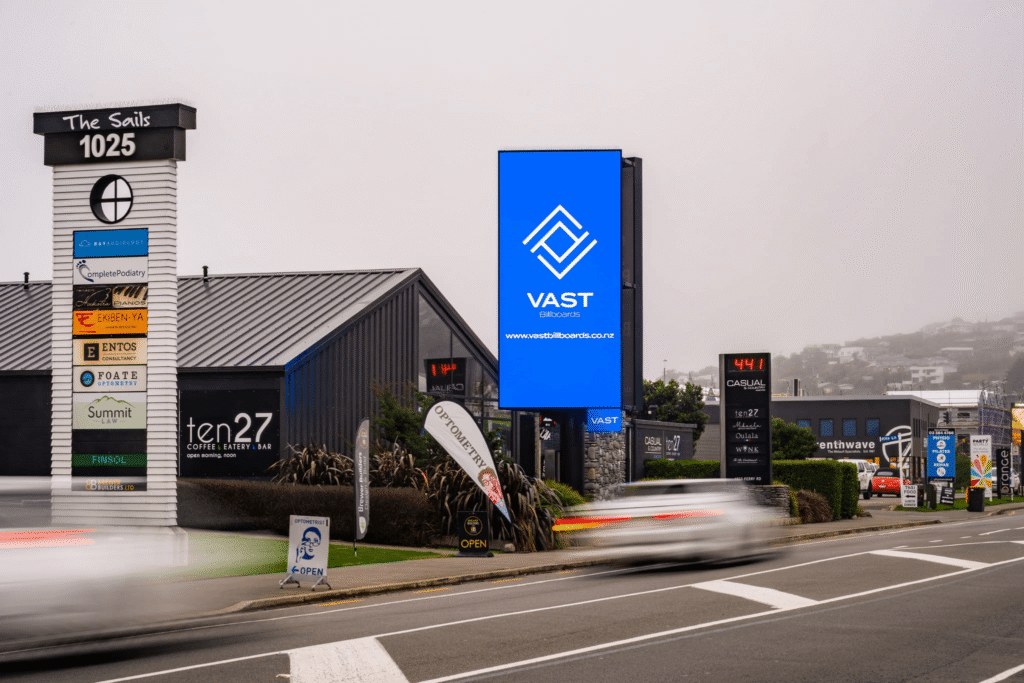
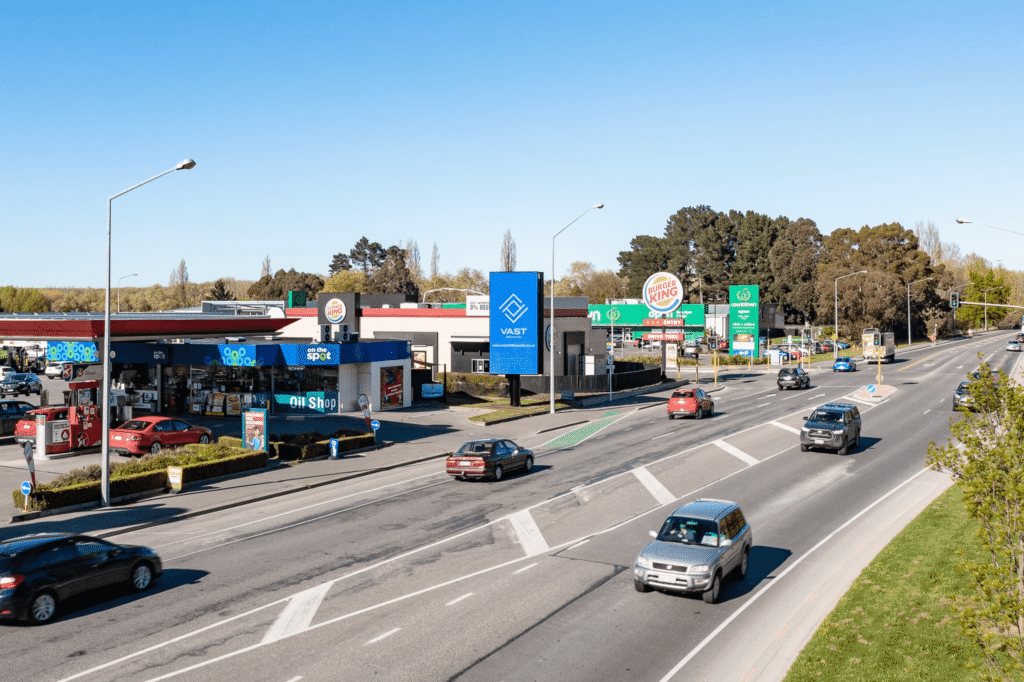
That positioning shapes where VAST builds inventory and how it prices and packages it, with a focus on keeping the network competitively priced and easy to buy. Its predominantly digital, large-format footprint extends beyond New Zealand’s largest cities into regional markets including Tauranga, Hamilton, Napier, Hastings, Taupo, Nelson, Blenheim, Timaru, and Invercargill, across both landscape and portrait formats.
“The objective isn’t simply to accumulate screens, but to add locations that create useful geographic spread, strengthen coverage and give advertisers access to audiences they may not be reaching elsewhere,” says Rosewarne. “That combination of metro, suburban and regional inventory is really what defines the VAST network.”
Serving national brands and local businesses alike
The company’s advertiser base spans national agency clients, major brands, and local direct advertisers. In 2025, its network saw strong growth across these segments, becoming an increasingly important part of national campaign plans while maintaining its strong connection to businesses looking to reach audiences in their local communities.
VAST has also used its own network to experiment with new ways of engaging audiences and demonstrating the potential of OOH. One example is Bill Is Bored, a campaign that used curiosity-driven billboard creative to capture attention and encourage people to continue the experience online. More recently, the Win A Grand – Your Region, Your Voice campaign invited New Zealanders to share what matters most in their local communities. The responses helped inform Beyond the Big Three, a research study examining the scale, value, and audience opportunity of regional New Zealand beyond the country’s three largest cities.
Together, these campaigns have given VAST a way to test ideas, gather audience insights, and demonstrate what OOH can achieve beyond simply delivering impressions. “These projects let us test ideas on our own network, learn from the response and build evidence that can ultimately help advertisers use OOH more creatively and effectively,” Rosewarne says.
That combination of clarity of purpose and consistent execution earned VAST recognition as Beacon’s 2026 Sales Team of the Year—one of New Zealand media’s leading industry awards, and a notable achievement for a relatively small team competing against some of the most established names in OOH.
“In 2025, VAST grew revenue at 5x the pace of the broader market, but the story was bigger than the numbers,” Rosewarne says. “We stopped thinking about ourselves as simply selling billboards and became much more focused on solving planning problems.”
Central to that shift was the “complete, not compete” philosophy, helping agencies see where regional and suburban audiences could add incremental value. Being a smaller, independent player also gave VAST room to move quickly. “Being small probably helped as well: we could be nimble, authentic, try things, have some fun and respond quickly when an opportunity emerged.”
Why VAST chose Broadsign
As both the network and ambitions have grown, so has the need for technology that can scale alongside them. That search led VAST to the Broadsign Platform.
“For us, Broadsign came down to trust, reliability and fit,” Rosewarne says. “We wanted an established platform with deep expertise in OOH, rather than something we would potentially outgrow. As we scale, the technology sitting underneath the network has to be dependable, but it also has to give us the flexibility to keep evolving how we package, manage and monetise inventory.”
Broadsign’s position within the programmatic DOOH ecosystem and its established relationships with major trading platforms and partners were other deciding factors, particularly as programmatic became a larger part of VAST’s business. “Broadsign brings experience, expertise and an established ecosystem that we can grow alongside.”
Programmatic as a new route to market
Programmatic buying has shifted how the media owner thinks about its inventory, moving the conversation beyond locations and weeks toward a more dynamic view of audiences, availability, and demand. “It creates another route into the VAST network and makes it easier for advertisers who may already be buying other digital media programmatically to include OOH within that ecosystem,” Rosewarne explains. “For a challenger network like ours, reducing that friction is particularly valuable.”
That shift has also prompted VAST to rethink how it values and packages inventory for programmatic buyers, treating it as a distinct buying pathway with its own use cases rather than a variation of direct bookings. Just as importantly, programmatic expertise has been embedded across the sales team, helping ensure the right buying approach is recommended for each campaign.
Looking ahead
VAST’s long-term vision centers on purposeful growth, not expansion for its own sake. Rosewarne describes the goal as building “a highly useful independent OOH network that has a clear role within the New Zealand market”, one that continues to strengthen its regional footprint, protect its position in Christchurch, and selectively add metropolitan inventory that creates genuine new audience opportunity.
Looking at the broader industry, Rosewarne sees OOH becoming increasingly measurable, connected, and flexible, with programmatic adoption and audience measurement both continuing to mature. “Our job is to combine those capabilities with the things that still make OOH powerful: great locations, simple creative, local relevance and real-world visibility,” he says. “If we can keep doing that while remaining independent, nimble and easy to work with, we think there is a very exciting future for VAST.”