As millions of consumers hit the road, take to the skies, and explore new destinations this holiday season, advertisers have an opportunity to reach audiences beyond their personal screens. From transportation hubs and highways to shopping districts and entertainment venues, out-of-home (OOH) advertising offers ways to connect with travellers throughout their journeys.
Holiday travel continues to bring consumers into airports, onto highways, and through destinations across the country. According to PwC’s 2026 Holiday Outlook, 40% of U.S. consumers plan to travel over the winter holidays. The season also brings significant retail activity, with the National Retail Federation projecting U.S. holiday sales to reach $1.013 trillion in 2026, a 4.2% increase over the previous year.
While travel and tourism brands are natural advertisers during the holiday season, the opportunity extends to retailers, CPG brands, entertainment companies, and others looking to reach consumers as they shop, dine, and explore. By incorporating OOH and other real-world advertising into their omnichannel strategies, brands can connect with travellers during these moments while extending the reach of their digital campaigns.
Connect the holiday journey through omnichannel advertising
Holiday travel rarely begins at the airport or on the road. From researching destinations and booking accommodations to shopping and planning activities, consumers move between digital and physical touchpoints throughout their journeys. For advertisers, this creates opportunities to connect these experiences through an omnichannel strategy that brings together OOH, connected TV (CTV), mobile, social media, and other channels.
Real-world advertising can also drive engagement online. According to OAAA’s 2025 Travel and OOH Impact Study, 67% of consumers who recalled travel-related OOH advertising reported taking action on their mobile devices, including 37% who looked up a brand, destination, or service online and 26% who clicked an ad they encountered again on social media.
This connection is especially relevant during the holiday shopping season, when OOH can encourage consumers to engage with retailers beyond the physical world. According to OAAA’s 2026 retail research, 45% of consumers would visit a retailer’s website or app after seeing an OOH ad that interested them, while 42% would search for the retailer online, creating opportunities for brands to drive interest in seasonal products and promotions across channels.
Bring greater flexibility to holiday campaigns with programmatic DOOH
Holiday travel patterns can shift depending on factors like day, location, weather, and surrounding events. Programmatic digital out-of-home (pDOOH) gives advertisers greater flexibility to respond to these changes, using data and automation to inform campaign delivery. With U.S. programmatic OOH spending expected to exceed $1.2 billion in 2026, according to EMARKETER, automated buying is becoming an increasingly important part of OOH advertising.
For advertisers planning holiday campaigns, programmatic offers several ways to make their media investments more targeted, flexible, and relevant:
- Audience and location targeting provides greater precision in campaign planning, from broad geographic markets to specific cities, zip codes, and hyperlocal points of interest. Depending on data availability, advertisers can also incorporate first- and third-party audience data, target specific venue categories, and use dayparting to align campaign delivery with relevant times or events.
- Dynamic creative allows advertisers to tailor messaging based on factors like weather, time of day, location, or other contextual triggers. For example, a tourism brand could promote indoor attractions when rain is forecast at a destination, while a hotel chain could highlight nearby properties or seasonal packages based on the screen’s location. Advertisers could also adjust messaging around peak travel dates, promoting last-minute getaways before the holidays or local experiences as travellers arrive at their destinations.
- Flexible campaign activation gives brands greater control over budgets, timing, and creative as travel patterns and priorities change throughout the season. Campaigns can be scaled up around peak travel dates, shifted between markets, or updated to reflect evolving seasonal promotions. Advertisers can also buy programmatic DOOH inventory through supported DSPs they already use for other digital channels, helping streamline planning and buying across their broader media mix.
Where to reach holiday travellers: Key venues and opportunities
From the journey itself to the activities that follow, holiday travel brings consumers into a variety of physical environments. Each offers different opportunities for advertisers, depending on the audience they want to reach and the actions they want to encourage.
Airports and transportation hubs
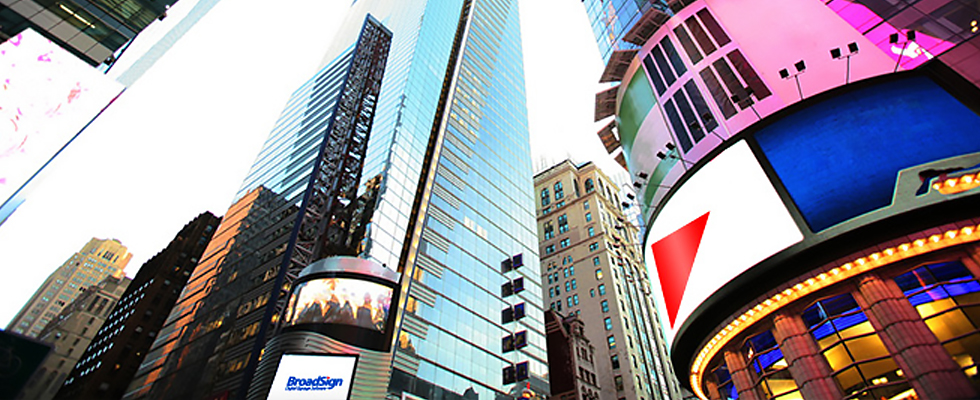
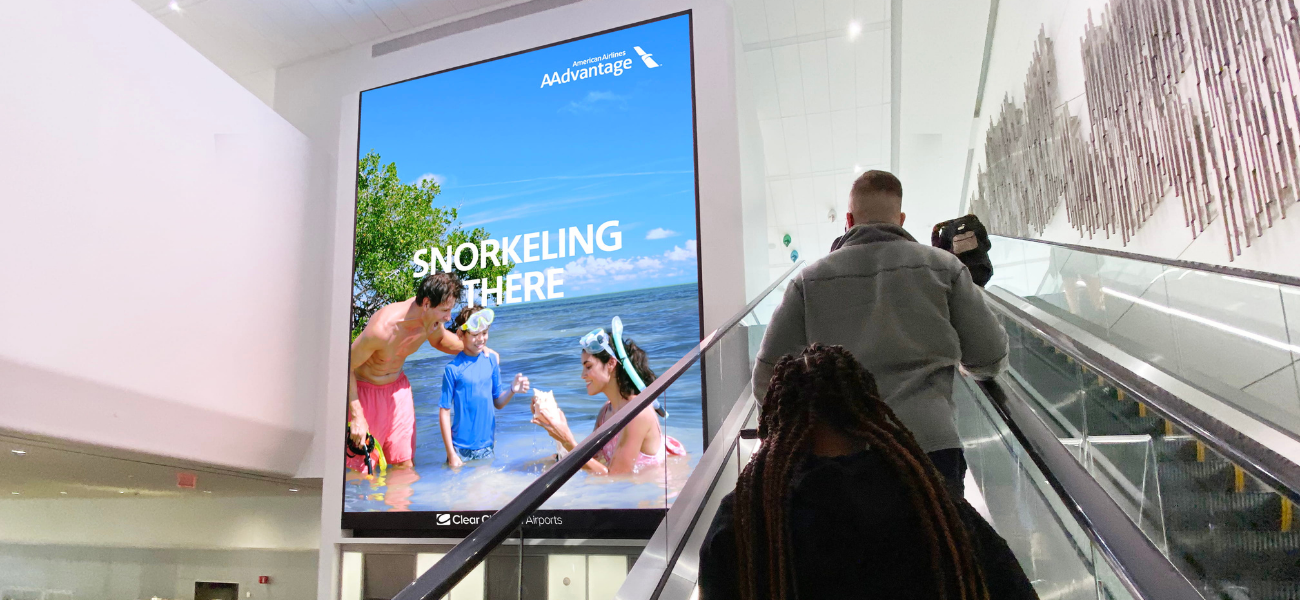
Airports, train stations, and transit terminals offer opportunities to connect with travellers at different stages of their journey. Airports in particular provide access to valuable audiences with significant spending power, with a 2025 Airport Dimensions study finding that affluent leisure travellers accounted for 81% of reported airport spending.
These audiences are also highly engaged with airport advertising. Last year, the OAAA reported that 69% of flyers notice airport OOH ads, and 87% of those who notice them report taking some form of action.
Screens in departure areas, lounges, restaurants, and arrival halls can reach consumers with diverse needs and priorities, from those shopping for last-minute travel essentials to visitors seeking local attractions, accommodations, and experiences at their destination.
Roadside and on-the-go environments
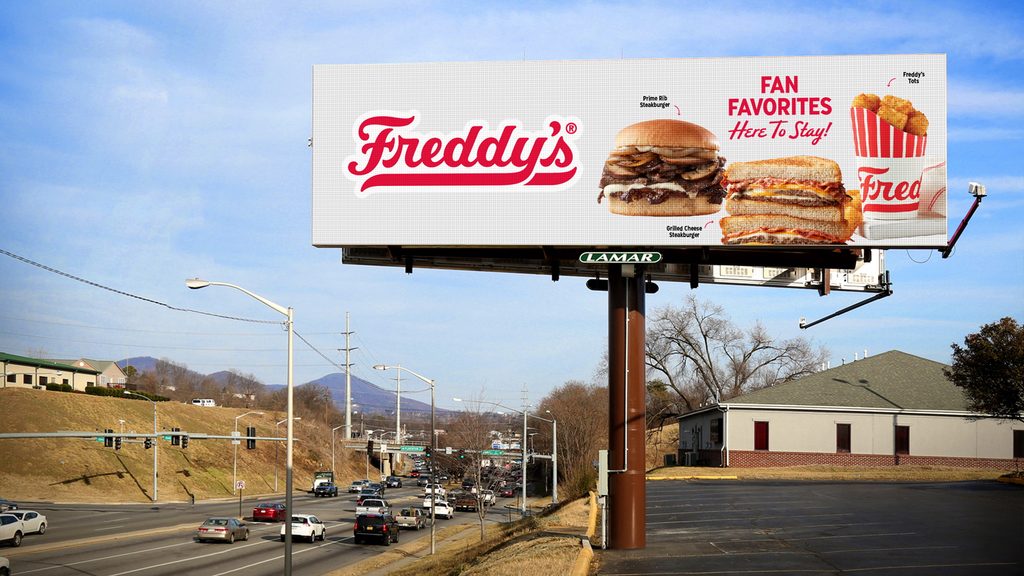
For consumers travelling by car or navigating a new destination, roadside billboards, transit shelters, and rideshare displays can help brands stay visible along the way. These placements offer restaurants, convenience retailers, and local businesses opportunities to reach travellers as they decide where to stop, eat, or explore.
Retail and shopping destinations
Holiday travel and shopping often go hand in hand, creating opportunities to connect with consumers as they browse, compare products, and make purchases. Beyond traditional shopping centre displays, in-store screens near entrances, product aisles, and checkout areas can help brands promote seasonal products, highlight special offers, and reach shoppers closer to the point of purchase.
Entertainment and leisure venues
Holiday markets, restaurants, cinemas, sporting events, and tourist attractions offer opportunities to reach consumers during their downtime. Brands can use these environments to connect with audiences around shared interests and experiences, whether promoting a nearby business, an upcoming event, or products suited to the occasion.
The right venue mix depends on campaign objectives. A tourism advertiser looking to attract visitors may prioritize high-traffic arrival points, while a retailer focused on holiday sales may benefit from placements closer to shopping destinations. Considering how each environment supports campaign goals can help advertisers reach travellers at the moments that matter most.
Make the most of holiday travel with real-world advertising
Holiday travel presents a valuable opportunity for advertisers to connect with consumers beyond their personal screens, reaching them as they explore new destinations, discover local businesses, and make purchasing decisions along the way.
By bringing OOH into their broader media strategies, advertisers can extend their reach across digital and physical environments, make their messaging more relevant to the moments that matter, and connect with consumers throughout the holiday journey. With the right mix of channels, locations, and creative, brands can turn the busy travel season into an opportunity to drive awareness, engagement, and real business results.