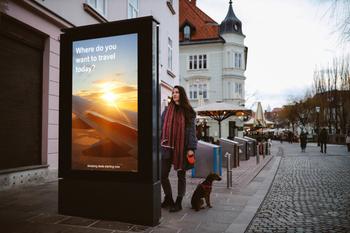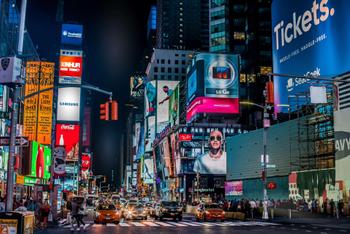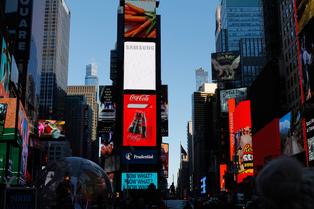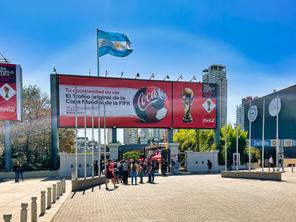
The 2026 FIFA World Cup is poised to be one of the decade’s biggest cultural moments and one of the strongest out-of-home (OOH) advertising opportunities in recent years. For the first time, the tournament will span Canada, the United States, and Mexico, driving unprecedented movement across three countries and bringing millions of fans together in stadiums, fan zones, airports, transit hubs, and city streets.
More than five million fans are expected to attend matches, with billions watching worldwide, creating a rare window for brands to show up in the real world at a meaningful scale. TV and online channels will remain important, but the most powerful brand-building opportunities will happen beyond the screen.
The World Cup is inherently a physical experience, with fans travelling, gathering, and celebrating throughout host cities. OOH and digital out-of-home (DOOH) fit naturally into these moments, and the data reflects its impact. Nearly six in ten fans recall seeing OOH around major sporting events, more than 90 percent take a follow-up action, and 99 percent of those who attend a game after seeing OOH spend money locally.
This guide explores how brands can shape an effective World Cup OOH strategy across timing, targeting, creative, buying approaches, and measurement.
Plan for multiple moments
According to The Harris Poll, 42% of consumers say they discuss sporting events with friends or family after seeing OOH ads, reinforcing the value of showing up where fans gather and talk before, during, and after matches. Brands can work to lock in high-demand screens ahead of time, while programmatic digital OOH (pDOOH) adds flexibility to activate closer to kickoff or during key game moments. But securing inventory is only the starting point; the real impact comes from aligning activity with how fans move through the event.
As fans plan travel, follow team storylines, and gear up for watch parties, they’re also paying close attention to the brands behind the games. More than half of soccer fans notice brands that sponsor teams and events, and 55% say they’re more likely to purchase from sponsors of their favourite team or athlete, according to The Harris Poll. Once the event is underway, attention clusters around stadiums, fan zones, sports bars, and entertainment districts. This is when timely, context-aware creative delivers the most value. With pDOOH, messaging can update in real time at halftime, after major plays, or as crowds move between venues.
The momentum continues after each match. Fans share highlights, revisit key moments, and carry the excitement into the following days. Refreshing DOOH across commuter corridors and city-centre screens during this period helps maintain relevance and guide audiences toward next actions, whether that involves travel, purchases, or further brand engagement.
Capture fan attention with real-time creative and precise targeting
When it comes to tentpole events, the strongest campaigns pair smart creative strategy with precise, audience-led buying, ensuring brands show up with the right message, in the right place, at exactly the right time.
On the creative side, Dynamic Creative Optimization (DCO) makes it possible to mirror what fans are experiencing in real time. Whether it’s reacting to a goal, an unexpected match upset, shifts in the weather, or increased foot traffic around a venue, DCO lets advertisers instantly adapt messaging to match the moment. Interactivity can elevate this even further. QR codes, mobile prompts, and live polls turn OOH from a passive impression into an active exchange, deepening engagement and supporting first-party data collection.
Targeting is just as crucial. Geofencing and device data let advertisers move beyond static screen selection to reach audiences based on real movement and behaviour. High-intent zones around airports, stadiums, fan zones, transit hubs, and nightlife districts signal where fans are gathering, enabling pDOOH to activate ads when engagement is highest and align campaigns with how fans move and celebrate across host cities.
Understand the different buying types
Programmatic DOOH provides several ways to access inventory, each offering a different balance of scale, control, and guaranteed delivery. Understanding the strengths of each approach helps buyers stay agile while boosting reach and performance.
Open Exchange offers the broadest scale and fastest activation, making it ideal for the lead-up and cooldown periods around the tournament, when audiences remain highly engaged. Pricing is efficient because inventory is traded in real time, but impressions aren’t guaranteed, which can be a challenge once premium screens start to sell out.
Private Marketplace (PMP) deals add more control by giving buyers priority access to curated, high-value screens through negotiated deal IDs. They’re more exclusive and often more expensive, but they help secure presence in the most competitive, event-adjacent environments while still allowing for programmatic optimization.
Programmatic Guaranteed (PG) locks in impressions ahead of time with guaranteed delivery, typically following upfront negotiation with the media owner. Buyers have less influence over specific screens or time slots, as inventory is prioritized within the SSP, making PG best suited for campaigns where certainty and efficiency matter more than granular placement control.
Broadsign’s In-Advance brings premium, direct-only inventory into the programmatic workflow. Buyers can view and book inventory previously available only through traditional direct buys, using DSP tools instead of lengthy email negotiations. This unlocks access to high-value, in-demand screens through programmatic channels, combining the certainty of direct sales with the efficiency and automation of programmatic buying. This approach is ideal for campaigns that require guaranteed visibility in strategic locations or time windows, like brand takeovers, seasonal pushes, or synchronized multi-channel launches.
Connect OOH exposure to real-world outcomes
Proving DOOH campaign ROI is essential, but there’s no single way to measure it. Sales, footfall, brand lift, app downloads, and engagement during the tournament all help show how well a campaign resonated. Brand-awareness and perception studies can also reveal how messaging influenced consideration at key match moments.
For brands with apps or loyalty programs, tracking spikes in installs or activity on match days can pinpoint which host cities or fan zones drove the most engagement. A surge in activity during knockout games, for example, can guide future spend or creative choices.
Post-event, mobile-location data is invaluable. It can show how ads placed near stadium exits, transit lines, or fan-festival entrances impacted real-world visits, whether a QSR saw increased footfall after evening matches or a retailer captured traffic along major fan routes.
The 2026 FIFA World Cup will create one of the biggest surges of movement, attention, and cultural energy in years, and OOH is uniquely positioned to meet that moment. Brands that plan early, align their messaging with real fan behaviour, pair dynamic creative with audience-led targeting, and use the right mix of buying models will be best positioned to stand out when relevance matters most. And with today’s measurement capabilities linking exposure to real-world outcomes, proving impact has never been more achievable.